 Кредитрон — блог о кредитах, финансах и прочих реверансах

When it comes to managing your finances, your credit score plays a crucial role. But what is a good credit score range, and why should you care? Whether you’re applying for a loan, renting an apartment, or even negotiating better interest rates, your credit score can make a significant difference. In this article, we will explore the ins and outs of credit scores, what makes a credit score «good,» and practical tips on how to maintain or improve your credit health. Understanding this vital number can empower you to make smarter financial decisions and open doors to better financial opportunities.
Содержание
What Is a Credit Score?
A credit score is a three-digit number that reflects your creditworthiness based on your credit history. Think of it like a report card, but instead of grading math or English, it grades how reliably you pay back borrowed money. Credit scores typically range from 300 to 850, with higher scores indicating better creditworthiness. Various credit bureaus like Experian, Equifax, and TransUnion calculate these scores using data from your financial habits, such as your payment history, amounts owed, length of credit history, types of credit in use, and new credit inquiries.
Your credit score is vital because lenders use it to evaluate the risk of lending you money. This evaluation affects everything from the interest rates you qualify for on credit cards or mortgages to your ability to secure a rental home or even jobs in certain industries.
Breaking Down the Credit Score Ranges
So, what exactly is a good credit score range? Credit scores fall into categories that help lenders quickly evaluate your financial health. Here’s a breakdown of the typical credit score ranges:
| Credit Score Range | Category | What It Means | Typical Impact |
|---|---|---|---|
| 300 — 579 | Poor | Very high risk, significant negative marks on credit report | Credit is difficult to obtain, if approved, interest rates are very high |
| 580 — 669 | Fair | Below average, some risk but shows improvement potential | Credit is harder to get and interest rates may be higher than average |
| 670 — 739 | Good | Above average creditworthiness, reliable borrower | Most lenders approve credit with favorable terms |
| 740 — 799 | Very Good | Strong credit history, low risk | Better interest rates, easier approval |
| 800 — 850 | Excellent | Exceptional credit, highly trusted borrower | Best interest rates, highest chance of approval |
Most financial experts agree that a good credit score range starts at around 670 and goes up to 739. Being in this category means you are above average and lenders see you as a reliable borrower. Scores above 740 are even better and can give you access to the best financial products on the market.
Why Does Your Credit Score Matter?
You might wonder why your credit score matters so much beyond just loans. It affects many parts of your financial life. Here are some key reasons why maintaining a good credit score range is essential:
- Loan Approvals: When you apply for a mortgage, car loan, or student loan, lenders check your credit score to assess risk.
- Interest Rates: A higher credit score usually means lower interest rates, saving you money over the life of your loan.
- Credit Card Offers: Lenders offer better rewards and higher credit limits to people with good credit scores.
- Rental Applications: Landlords often check credit to decide whether you are a reliable tenant.
- Insurance Premiums: Some insurance companies use credit scores to help set your premiums.
- Employment Opportunities: Certain employers look at credit scores during background checks, especially in finance-related roles.
Understanding the importance of your credit score can motivate you to keep it within a good credit score range and even work toward excellent status.
How Is a Credit Score Calculated?
Credit scoring models, like FICO or VantageScore, use a combination of factors to build your credit score. Here’s a quick overview of the main components and their typical weight in your score:
| Factor | Impact on Score (%) | Description |
|---|---|---|
| Payment History | 35% | Whether you make payments on time or miss them. |
| Amounts Owed | 30% | The ratio of your current debt to your total available credit (credit utilization). |
| Length of Credit History | 15% | How long your credit accounts have been open. |
| New Credit | 10% | Number of recently opened accounts and hard inquiries. |
| Credit Mix | 10% | Variety of credit types (credit cards, loans, mortgages). |
Since payment history makes up the largest portion, making payments on time consistently is the best way to maintain a good credit score range. Equally important is keeping your credit utilization low—typically below 30% is advised.
Tips to Maintain or Improve a Good Credit Score

If you already have a good credit score, congratulations! Maintaining it is just as important as achieving it. If your score is lower, don’t worry—there are practical steps to improve it. Here are some tips to help you stay or move into a good credit score range:
- Pay Your Bills On Time: Late or missed payments can significantly hurt your score.
- Keep Credit Balances Low: Aim to use less than 30% of your available credit on each credit card.
- Don’t Close Old Accounts: The length of your credit history matters, so keep older accounts open if possible.
- Limit New Credit Applications: Each hard inquiry can lower your score temporarily.
- Diversify Credit Types: Having a mix of credit can be beneficial, but only take on credit you can manage.
- Review Your Credit Report Regularly: Check for errors or fraudulent accounts and dispute inaccuracies promptly.
Common Misconceptions About Credit Scores
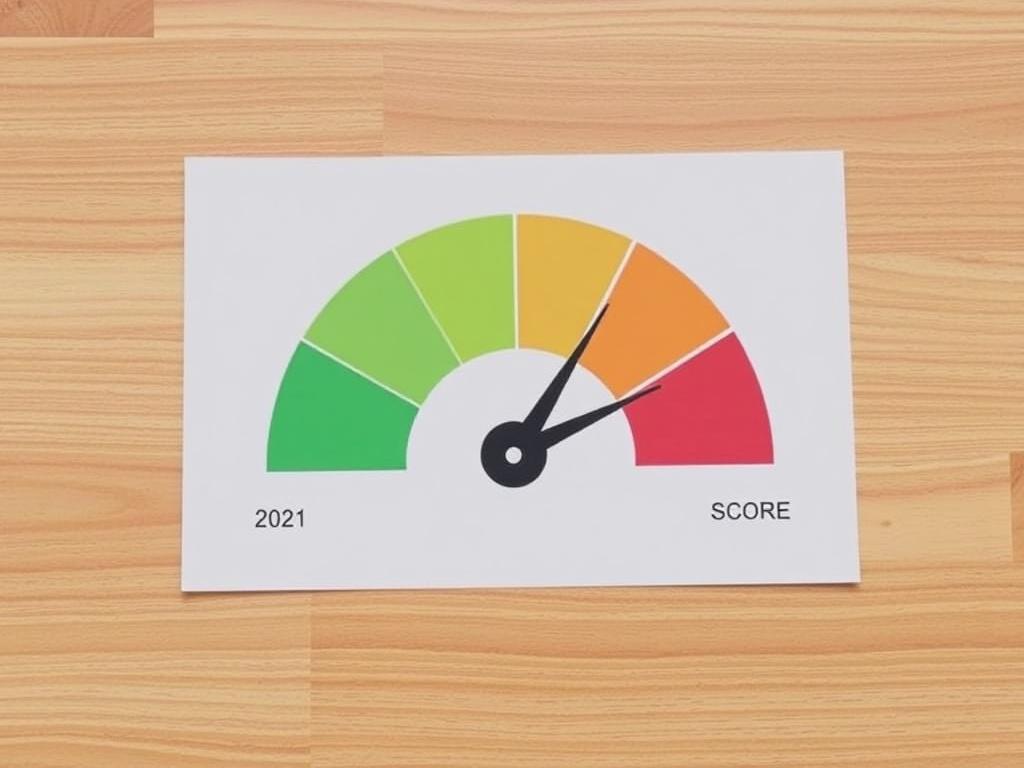
There are many myths about credit scores that can confuse consumers. Let’s clear up some common misconceptions:
- Myth: Checking your own credit score will lower it. Actually, checking your own score is a “soft inquiry” and doesn’t affect your credit.
- Myth: You only have one credit score. In reality, there are multiple credit scores depending on the credit bureau and scoring model.
- Myth: Closing old credit cards improves your score. Closing old cards can shorten your credit history and raise credit utilization, which can actually lower your score.
- Myth: Income affects your credit score. Your income isn’t part of the credit score calculation, but it can affect lenders’ decisions separately.
Understanding these nuances helps you avoid actions that might unintentionally hurt your credit.
The Impact of a Good Credit Score on Your Financial Future

Having a good credit score range sets you up for financial success beyond just borrowing money. Imagine qualifying for a mortgage with a low-interest rate, which saves you thousands over the years. Or applying for a credit card with great rewards that help pay for travel or everyday expenses. Even getting approved for rental housing or a job in a competitive field can be easier.
Additionally, strong credit can provide peace of mind in emergencies when you might need quick access to funds. It also gives you negotiation power with lenders, allowing you to shop around for better terms and lower fees. Your credit score essentially acts as your financial reputation, and maintaining it within a good range ensures opportunities are always within reach.
How to Check and Monitor Your Credit Score
Knowing where you stand is the first step toward managing your credit score effectively. Many services offer free access to your credit score, including:
- AnnualCreditReport.com: Get one free credit report per year from each major bureau.
- Credit Card Issuers: Many credit card companies provide free monthly updates on your credit score.
- Credit Monitoring Services: Some companies offer real-time monitoring and alerts for changes.
Regularly checking your credit helps you spot errors, identity theft, or sudden drops in your score. Remember, these tools provide a snapshot, but your score can fluctuate depending on the bureau and model used. Staying informed is key to keeping your credit health in a good range.
Summary of Good Credit Score Ranges and Their Benefits
| Score Range | Typical Benefits | Loan Interest Rate | Credit Card Offers |
|---|---|---|---|
| 670 — 739 (Good) | Most lenders approve loans; moderate to low interest rates | Lower than average | Good rewards and perks |
| 740 — 799 (Very Good) | Better interest rates, easier approvals, higher limits | Low | Better rewards and exclusive offers |
| 800 — 850 (Excellent) | Best offers, lowest interest rates, prime loans | Lowest possible | Top-tier rewards and perks |
FAQs About Good Credit Score Range
- Can my credit score improve quickly? Improving your score takes time, especially building positive payment history. Some changes, like lowering credit card balances, can have quicker impact.
- Is 700 a good credit score? Yes, 700 is considered a good credit score and generally qualifies you for most loans and credit products.
- Does checking my credit hurt my score? Checking your own credit is a soft inquiry and doesn’t affect your score.
- How often should I check my credit score? Many experts recommend checking it at least once a year or before applying for new credit.
Understanding Credit Scores Outside the U.S.
If you’re wondering about credit scores outside the United States, keep in mind that scoring systems vary globally. Some countries don’t use credit scores at all but rely on different criteria to evaluate creditworthiness. If you plan to move, study, or work abroad, researching the local credit system is essential to understand what constitutes a good credit score range in those markets.
Building Credit From Scratch
If you don’t have a credit history yet, starting building your credit is important. Here’s how you can begin with no credit or very limited credit:
- Apply for a secured credit card: These require a deposit and help build positive payment history.
- Become an authorized user: Ask a trusted family member to add you to their credit card account.
- Take out a credit-builder loan: Some banks or credit unions offer special loans designed to help build credit.
- Pay all bills on time: Even utilities or phone bills may be reported to credit bureaus in some cases.
Starting with responsible habits will help you enter the good credit score range over time.
Common Credit Score Pitfalls to Avoid
To maintain a good credit score range, avoid these common mistakes:
- Overusing credit cards: Maxing out cards raises your credit utilization ratio.
- Missing payments: Payment history is the most critical factor.
- Applying for too much new credit: Too many inquiries signal risk to lenders.
- Ignoring errors on reports: Uncorrected mistakes can drag down your score.
By steering clear of these pitfalls, you protect your credit score and keep it in a favorable range.
Conclusion
Understanding what is a good credit score range can transform your approach to personal finances. A credit score between 670 and 739 is considered good, opening doors to favorable loan terms, credit cards, and other opportunities, while scores above 740 unlock even better benefits. Your credit score affects more than just borrowing money; it influences your financial reputation and life milestones such as renting a home or getting a job. Maintaining or improving your score involves consistent timely payments, managing credit utilization, avoiding unnecessary inquiries, and monitoring your credit report for errors. Whether you’re just starting to build credit or aiming to improve an existing score, the key lies in good habits and awareness. Embracing this knowledge can empower you to achieve greater financial freedom and security for the future.
Опубликовано: 23 июля 2025 (Пока оценок нет)
 Загрузка...